Rozwiązania dla przegrzania: Utrzymanie wysokiej intensywności promieniowania UV bez wypaczania cienkich tworzyw sztucznych
W produkcji elektroniki, urządzeń medycznych i elastycznych opakowań, cienkie tworzywa sztuczne, takie jak PET, PC i PVC, są szeroko stosowane ze względu na ich lekką wagę i wszechstronne właściwości.jeśli chodzi o wiązanie UV lub powłokę, substraty te stanowią duże wyzwanie techniczne: wrażliwość termiczna.
Tradycyjne lampy o wysokiej intensywności UV często wytwarzają nadmierne ciepło podczerwone (IR).prowadzące do wysokich wskaźników odrzuceniaDla producentów ostatecznym celem jest znalezienie sposobu dostarczania wysokiej intensywności UV do całkowitego utwardzania bez narażania na straty integralności strukturalnej podłoża.
Oto, jak zaawansowana technologia UV zapewnia idealne rozwiązanie chłodzące.
Główna przyczyna: Dlaczego standardowe oczyszczanie promieniowaniem UV wypacza tworzywa sztuczne
Większość standardowych systemów utwardzania UV, zwłaszcza tradycyjne lampy rtęciowe, emitują szerokie spektrum światła.reszta to promieniowanie podczerwone (ciepło)Kiedy w przypadku szybkich linii produkcyjnych wymagana jest wysoka dawka obróbki UV, towarzyszące jej ciepło szybko gromadzi się na powierzchni cienkich tworzyw sztucznych.Jeżeli temperatura przekracza punkt przejściowy szkła materiału (Tg), deformacja jest nieunikniona.
Inżynieryjne rozwiązania do chłodnego utwardzania UV
W celu utrzymania wysokiej intensywności promieniowania UV przy jednoczesnym ochłodzeniu podłoża, producenci muszą spojrzeć poza standardowe sprzęty dostępne na półce.Specjalistyczna technologia UV LED i zaawansowane zarządzanie cieplne są kluczem do rozwiązania tej zagadki.
-
Przejście na monochromatyczne systemy UV LED
W przeciwieństwie do lamp rtęciowych,Układy utwardzania UV LED"Zachłodzone źródło światła" drastycznie zmniejsza ciepło przenoszone na podłoże.Producenci mogą osiągnąć dokładną maksymalną napromieniowanie (W/cm^2) potrzebne do szybkiej polimeryzacji przy znacznie niższej temperaturze powierzchni.
-
Architektura dynamicznego chłodzenia płynnym
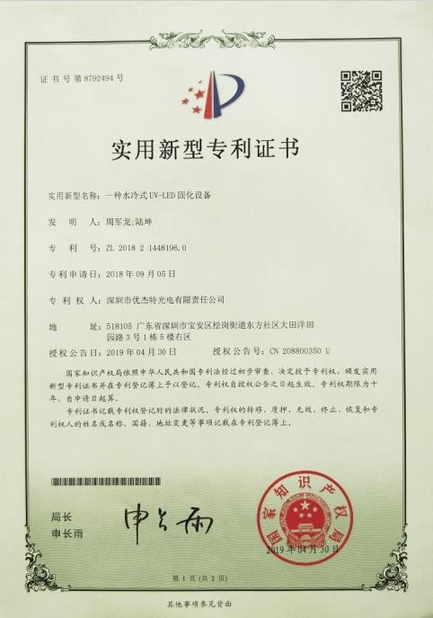
W przypadku zastosowań o bardzo wysokiej intensywności nawet układy LED wytwarzają ciepło wewnętrzne, które może promieniować na zewnątrz, jeśli nie jest odpowiednio zarządzane.system UV LED o wodnym schłodzeniuzapewnia natychmiastowe wydobycie ciepła z silnika lekkiego.Utrzymuje to stałą intensywność promieniowania UV podczas ciągłej pracy i zapobiega promieniowaniu ciepła na delikatne części z tworzyw sztucznych.
-
Precyzyjna optyczna konstrukcja i geometria odblaskowa
Poprzez dostosowanie odległości ogniskowej i wykorzystanie specjalnych okien kwarcowych lub lustrów chłodnych można zoptymalizować ścieżkę optyczną.Zapewnia to, że energia UV jest doskonale skupiona na strefie utwardzania bez tworzenia "gorących punktów"," rozprowadzając energię równomiernie na cienkich foliach lub 3D formowanych plastikowych krawędziach.
Zwiększenie wydajności i jakości produktów
Wykorzystując dostosowane do potrzeb rozwiązanie do utwardzania UV w niskich temperaturach, fabryki mogą wyeliminować wąskie gardła spowodowane zniekształconymi częściami.ale pozwala również na szybsze prędkości przenośników i bezproblemową integrację z automatycznymi liniami montażowymi.
Jako dedykowany producent lamp UV, specjalizujemy się w tworzeniu systemów UV LED o wysokiej intensywności i niskiej temperaturze, zaprojektowanych specjalnie dla podłoża wrażliwego na ciepło.Skontaktuj się z naszym zespołem inżynierów, aby zoptymalizować proces utwardzania.


 Twoja wiadomość musi mieć od 20 do 3000 znaków!
 Polish